Does it have value? Examining the benefits and downsides of buying Google feedback
In, internet reviews can determine the success or failure of a company. With shoppers continuously depending on services such as Google to guide their buying choices, the urgency to maintain a good online standing has reached unprecedented levels. This has led some entrepreneurs to consider the controversial practice of buying Google reviews. But is this strategy worth the risk? Comprehending the intricacies of buying reviews is vital, as it can have enduring impacts on both a enterprise's reputation and its connection with consumers.
As we delve into the pros and risks of acquiring Google reviews, we'll investigate why some companies turn to this practice, the possible repercussions it entails, and what alternatives exist for fostering genuine growth. From the allure of quick profits to the potential for sustained harm, navigating the sphere of online reviews can be complicated. Whether you are thinking about this method or simply aiming to enhance your enterprise's online footprint, it is essential to be aware and cognizant of the consequences involved.
Comprehending the Risks of Purchasing Google Ratings
Purchasing Google reviews may seem like a rapid fix to boost a business's online image, but it carries considerable risks that cannot be overlooked. One of the primary issues is the potential for penalties from Google, which actively watches review patterns for signs of fraud. Businesses found buying reviews may face consequences, including the deletion of fake reviews, demotion in search rankings, or even profile suspension. Such actions can severely damage a business's credibility and visibility in the long run.
Moreover, investing in fake reviews poses a serious risk to customer trust. Consumers today are increasingly astute and can often spot inauthentic reviews, which can lead to negative views of a brand. If customers find out that a business is buying reviews, they may feel misled and choose to take their business to competitors. This erosion of trust can have long-term repercussions, making it challenging for a business to rebuild its reputation even if it transitions back to authentic review practices.
Finally, the financial implications of buying reviews should not be overlooked. While the upfront expenses of purchasing reviews may seem manageable, the potential for financial loss is significant if a business faces penalties from Google or loses customers due to distrust. Rather than investing in deceptive tactics, businesses should focus on dedicating resources on legitimate marketing strategies that encourage authentic customer engagement and genuine feedback, fostering a sustainable growth pathway.
The Impact on Digital Reputation
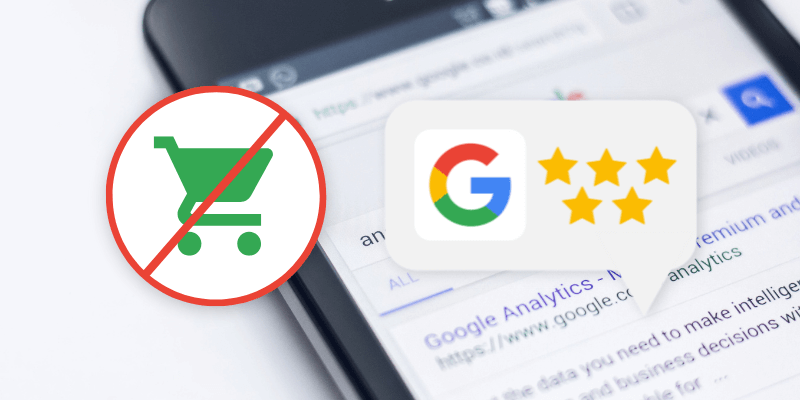
Purchasing Google reviews can greatly affect a business's online reputation. On one hand, a increase of positive reviews can create an initial impression of credibility and trustworthiness, possibly attracting new customers eager to engage with a apparently well-regarded brand. Businesses often wish that increasing their review count will elevate them over competitors and create a more favorable reputation in the eyes of prospective clients.
However, the long-term consequences of buying reviews can be detrimental. If customers discover that a business has engaged in deceptive practices, such as using fraudulent reviews, their trust can disappear quickly. This breach of trust not only tarnishes the brand’s reputation but can also lead to negative reviews appearing from disgruntled customers, making even more difficult the business’s online presence. Genuineness is important in preserving customer relationships, and fabricating positive feedback can blow up spectacularly.
Additionally, how a business manages the environment of online reviews can shape public perception and influence loyalty. Brands that depend on natural reviews tend to enjoy more sustained customer relationships compared to those that take shortcuts through bought feedback. Consumers are becoming increasingly savvy, often leaning towards businesses that exhibit openness and genuine interaction rather than those that artificially inflate their ratings. In this light, the effect on online reputation highlights the critical balance between immediate gains and the risk for long-term damage.
Alternatives to Purchasing Google Reviews
Instead of purchasing Google reviews, businesses can focus on promoting authentic feedback from satisfied customers. One effective approach is to create a seamless and immersive atmosphere for clients, encouraging them to publish their positive experiences online. This can include follow-up emails, customized requests after a transaction, or possibly motivations for leaving a review, such as reductions on future services. By developing a climate of feedback, businesses can genuinely grow their review profile while ensuring authenticity.
An additional option is to diligently handle and respond to existing feedback. Engaging with Buying Google Reviews who submit both positive and unfavorable feedback shows that the business values their opinions and is committed to progress. When potential customers see a attentive business that takes reviews earnestly, it can improve trust and reputation. This active approach can result in more beneficial reviews without coercion, improving the business's standing without the requirement for paid reviews.
Finally, businesses can leverage social media and online communities to build their standing. By promoting success narratives, testimonials, and interactive content, they can build a loyal following that prompts word-of-mouth referrals. Offering events, providing loyalty programs, or even collaborating with local influencers can increase visibility and trust, causing higher chances of receiving genuine reviews. Ultimately, building genuine relationships and experiences will yield greater and enduring benefits than the temporary measure of buying reviews.